Weekly rhythm mapping
Align your shopping schedule with household routines. We outline methods for reviewing existing supplies before each trip, noting what is already available, and identifying gaps based on your planned meals for the week ahead.
Bioslllife publishes general informational content about organising weekly shopping, managing pantry inventory, and building practical meal preparation routines. Our materials are designed for educational purposes and do not replace professional dietary advice.
 Educational content only
We focus on practical systems that may help Australian households shop with intention, review existing supplies before purchasing, and maintain an organised kitchen environment. Outcomes vary by household.
Align your shopping schedule with household routines. We outline methods for reviewing existing supplies before each trip, noting what is already available, and identifying gaps based on your planned meals for the week ahead.
Group items by store section rather than meal. This simple restructuring often shortens shopping time and helps avoid duplicate purchases across consecutive visits.
Track items that frequently expire unused. Adjust quantities gradually based on observed patterns rather than assumptions.
Set a realistic spending range before entering the store. Our guides explain how to allocate portions across fresh produce, pantry staples, and household essentials without rigid formulas.
Shared planning boards, digital list apps, or simple paper systems can keep every member informed. We compare common tools and describe workflows suited to families, couples, and individuals living independently across urban and regional Australian communities.
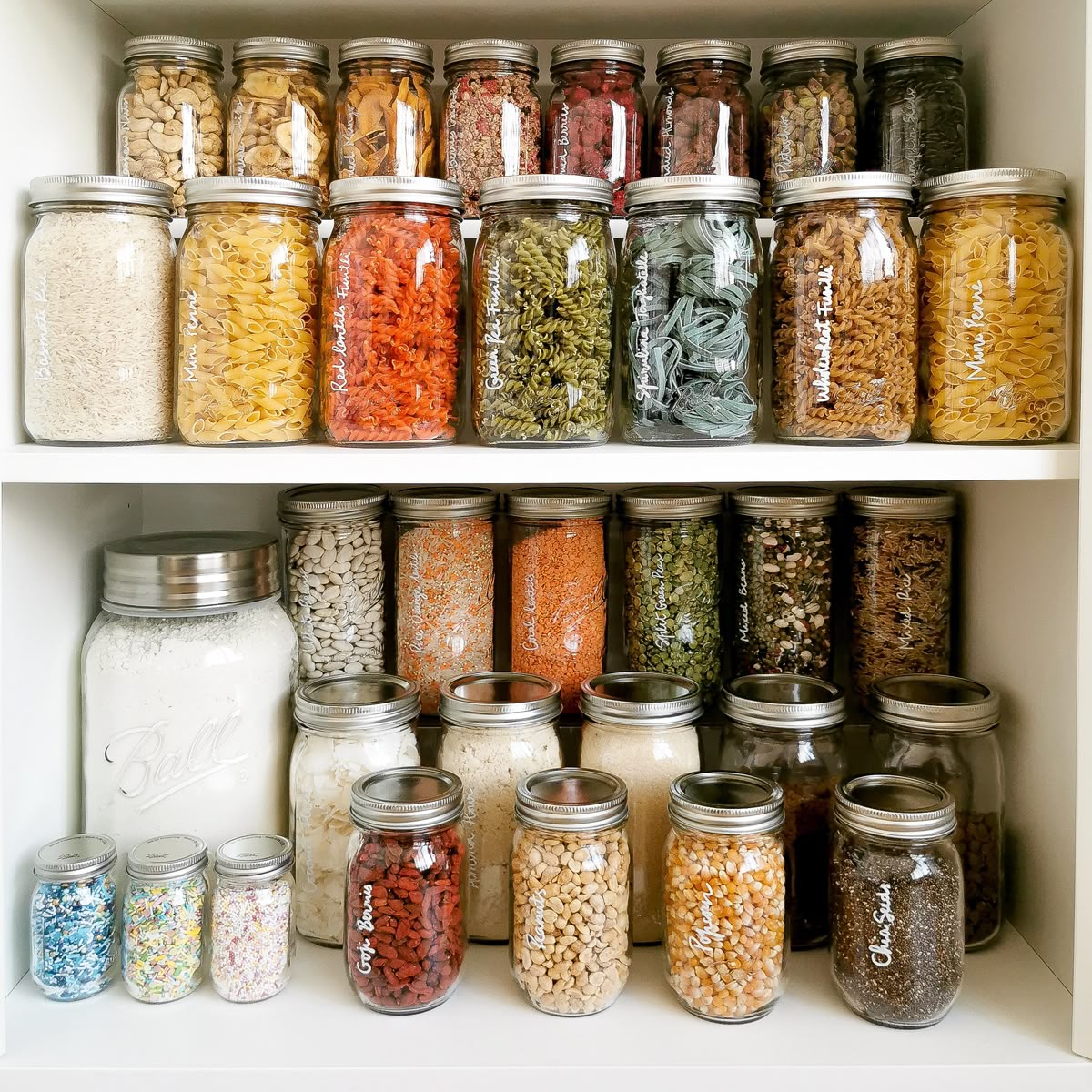
When shelf contents are easy to assess at a glance, shopping lists become shorter and more accurate. Our pantry organisation guidance covers labelling, rotation practices, and storage zones adapted to Queensland humidity conditions.
These figures are suggested reference points from our educational materials — not performance metrics or promised outcomes. Experiences vary based on household size, location, and shopping habits.
Follow this sequence to build a consistent routine. Adjust timing to suit your schedule.
Open cupboards and the refrigerator. Note items running low, items nearing expiry, and anything that should be used within the next few days.
Draft a flexible outline of dinners and lunches for the coming week. Leave room for spontaneous meals or dining out.
Translate your meal sketch into a categorized shopping list. Cross-reference against pantry notes to avoid redundant purchases.
Complete your shopping trip during off-peak hours when possible. Store items immediately using your established organisation system.
Most content on this website is free to read. Optional paid items include digital guides and one-on-one planning sessions focused on shopping organisation. All fees are confirmed in writing before any purchase.
Optional one-on-one sessions to review your current shopping habits and discuss structured organisational approaches suited to your household size and schedule. Fee quoted before booking.
Optional downloadable checklists and worksheets for evaluating storage areas and implementing practical organisational changes. Price displayed at checkout.
Quarterly informational updates covering produce availability across Australian regions. General reference material — not dietary or nutritional advice.
Bioslllife is an Australian educational publisher based at 147-189 Brisbane Rd, Biggera Waters QLD 4216. We create general informational content about household grocery planning.
Purchases are subject to our Refund Policy and your rights under the Australian Consumer Law. Contact us at +61 7 5529 1734 or via our contact form.
Browse educational articles on this website or send us a message if you have questions about our content or optional paid resources.
Contact Our Team